
Introduction
In today’s fast-changing metal casting world, there’s a growing need for burners that save power and cut emissions. Since factories worldwide are shifting to greener methods, furnace designs now use smarter burning tech—mixing strong output with less waste and cleaner operation.
Read more: Laxminarayan Technologies.
A fresh wave of green burner tech is shaking up shell furnaces—using less fuel, cutting down fumes, and also spreading heat better. New data shows upgraded models can boost heat performance by 20–30%, letting metal shops save cash on running costs while handling tighter pollution rules.
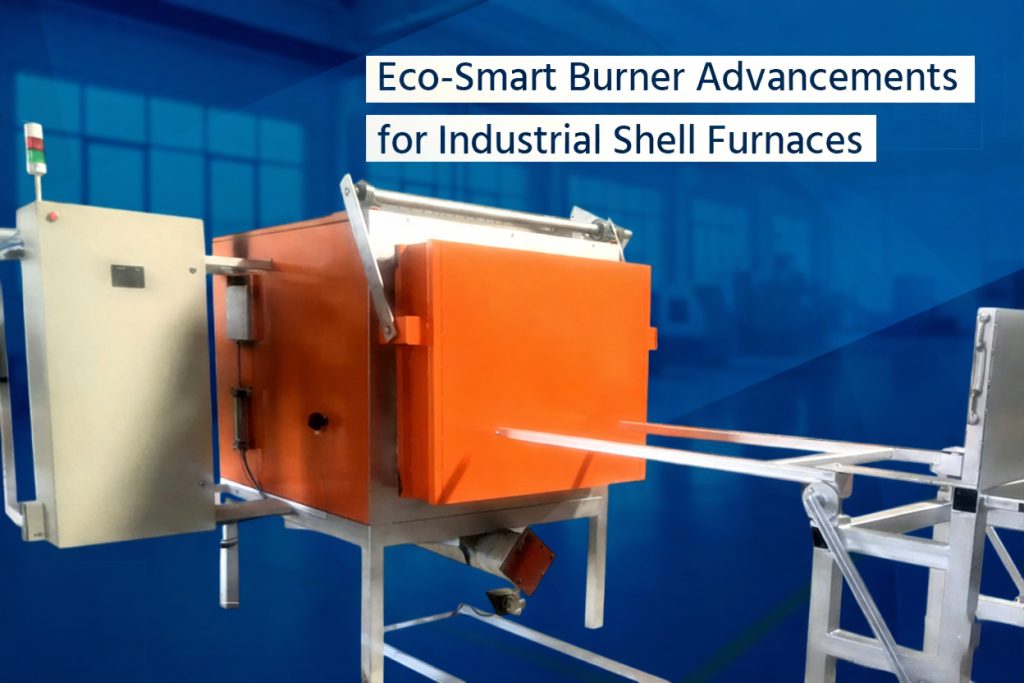
Over at IC Machines, fresh ideas walk side by side with eco-friendly practices. Thanks to smart burn control tech, flexible burner setups, and tight heat regulation, their shell heating ovens deliver steady results while saving power during each run. No matter if they’re running on gas, fuel oil, or electric juice, these units are shaping what tomorrow’s green furnace design looks like.
1. The Role of Burners in Shell Firing Furnaces.
Burners sit at the heart of any shell-firing furnace, handling the job of hitting exact heat levels required to harden ceramic molds in precision casting. One solid burner means reliable performance—efficient heating without hiccups, steady output when it matters most, and fewer surprises. mid-process Even heat keeps ceramic molds from splitting or bending.
Steady heat handling helps eggs stay tough and keeps shapes reliable.
Burning fuel well so less junk goes into the air or gets wasted.
In older systems, hot spots plus hands-on adjustments usually meant burning too much fuel while getting spotty outcomes. Still, today’s burners use smart electronics along with better airflow and gas blending, allowing tight heat control and steady output—key for solid metal parts.
2. Evolution of Burner Technology in Foundries.
a. Conventional Burners
Older furnaces running on gas or oil relied on basic burner setups that didn’t allow much adjustment. While they worked fine for straightforward heating tasks, these units guzzled fuel while releasing lots of pollutants.
b. Today’s gas burners plus oil heaters
The arrival of compact burners with lower NOx emissions changed how furnaces perform. Because they use step-by-step burning, rapid on-off cycles, or blended fuel mixes, flames stay steady while delivering more heat.
c. Spark-ignited heaters
With sectors shifting away from fossil fuels, electric shell furnaces are becoming more popular. Since they run on power, there’s no smoke coming out during operation—heat kicks in right away while keeping temps steady, which works well for metal casting shops aiming to balance their carbon output.
d. Hybrid Systems
The newest move is toward combo burners—mixing gas, oil, or electricity—that let metal shops shift power sources based on price, supply hiccups, or pollution rules.
3. Eco-Smart Burner Technologies: Features and Innovations.
Today’s green burner setups use clever tech meant to cut down on energy use while being kinder to nature. We’ll check out a few standout traits:
a. system that automatically manages how much air mixes with fuel
Using live sensor data, these units tweak airflow along with gas supply to keep mix levels just right. That means less leftover fuel and better burning action while slashing power loss—sometimes as much as 15%.
b. Engine tweaks that cut NOx and lower CO₂ emissions
Changing how fuel burns and reducing fire heat helps cut harmful gases by nearly 70%; these tweaks meet clean-air rules in Europe and the USA. While shapes matter inside, cooler flames make a big difference too—both help avoid pollution targets set by regulators worldwide. Instead of high temps, smart designs control reactions so less smog forms during burning; this fits both EU and American environmental codes.
c. Separate burner parts that fit together
Modular setups make upkeep easier and let you swap parts fast—so long as the needed layouts fit, like box-style, spinning units, or nonstop heating rigs.
d. Electronic management plus live tracking setups
Linking up with SCADA and PLC systems allows distant tracking along with recording operations, while also supporting early issue detection—this keeps furnaces running longer and cuts losses from stoppages.
e. Systems that grab wasted energy back
Some recent models include heat recovery systems, which grab wasted heat from exhausts and then funnel it back into use, boosting total furnace performance by roughly 10 to 15 percent.
4. Advantages of Eco-Smart Burners in Shell Furnaces.
Uses less fuel—cuts consumption by nearly a third thanks to better burn control.
Less smoke going up—cuts down CO₂ and NOx while also dropping SO₂ levels, helping hit green targets along the way.
Keeping things steady means better heat spread, which boosts the strength of ceramic layers.
Fuel choice? Works fine on gas and oil—also runs electric. No limits.
Fewer repairs needed: because it burns clean while the build makes fixes easier.
Longer gear life: Smarter running cuts heat strain on heater parts.
5.Sustainability and Environmental Impact.
Worldwide efforts such as the Paris Deal or the UN’s targets for sustainable growth push factories to go green. Firms using smart, energy-saving shell furnaces help meet these aims. – cutting pollution while boosting efficiency through smarter heat control
Slashing gases that warm the planet.
Cutting down dust plus harmful leftovers.
Save power by using smart ways to grab wasted heat instead.
Fuel-free ovens hook up easily to sun- or breeze-driven electricity, so metal pouring gets cleaner without fossil stuff backing it.
6.Industrial Applications.
A new kind of burner that’s better for the environment is being used more often in metal casting jobs—like making detailed parts or pouring molten metal into molds—not just here but also overseas, especially where clean energy matters.
Airship parts—like turbine fins or rotors—are built tough but need precision.
Car pieces like engine covers or valves
Medical implants
Industrial gear plus water movers
Fuel systems or electricity maker parts
These fields need steady heating plus rules that protect nature—so clean-burning shell furnaces often work best.
7. IC Machines: Leading the Change in Furnace Innovation.
Over at IC Machines, they focus on building top-notch shell mold burners that fit today’s foundry demands. These smart heating setups use sharp design work along with digital controls plus advanced efficiency tricks to get better outcomes each time.
Our key technologies include:
Gas plus oil burners that cut down fumes—built to release less NOx into the air.
Electric shell furnaces that run without emissions.
A mix of burner types allows different fuels to work better together sometimes.
Automation using PLC or SCADA to manage heat plus burning processes.
Fancy insulating stuff that keeps warmth from escaping.
Each furnace is built to last, so it runs well over time—also cutting energy use while meeting eco rules. This way, customers keep up with strong results and greener operations.
8. Future Trends in Burner and Furnace Technology.
The future of factory ovens is shaped by smart tech along with eco-friendly goals. Coming changes feature:
Smart burners that guess what’s needed to run better on their own—by learning patterns ahead of time.
Hydrogen-powered burners could be a cleaner swap for traditional fuels.
Furnaces with IoT links let techs check issues from afar while boosting performance on the fly.
Top-grade ceramic coatings—boosting heat control a lot more.
Fault-sensing setups that guess when parts will fail while cutting idle time.
These upgrades won’t stop—they’ll keep changing how casting plants work, linking efficiency with cleaner practices.
Conclusion:
The rise of clean-burning smart systems marks a big step ahead for casting and metal-making shops. Instead of old methods, today’s shell ovens use clever controls, work with different fuels, and also cut pollution—hitting top efficiency while meeting strict air rules.
Over at IC Machines, we’re all about giving factories smarter ways to work—using furnaces that save power while being kinder to the planet. If your setup runs on gas, oil, or electricity, our tech tweaks can slash bills and sharpen casting quality so you move closer to cleaner production without the hype.
The future of factory heat runs on green tech—IC Machines is out front, pushing ahead.